The Beginner's Guide to Grocery Store Payment Processing

Introduction
What is every small business owner’s favorite sound?
Cha-ching!
To make a sale and hear that delightful sound ringing throughout your grocery store, you need a payment processing solution.
Payment processing makes transactions possible, allowing your customers to use cash, checks, cards, or even their mobile devices to purchase groceries.
In this guide, we’ll explore the world of grocery store payment processing, and tell you everything you need to know about payment methods, technologies, and providers. Here’s a look at what we’ll cover:
- Payment processing basics
- The fees associated with payment processing
- Types of payments to accept in your grocery store
- How to find the right payment processing solution
Let’s get started!

What Is Grocery Store Payment Processing?
Whether you’re working on your grocery store business plan or you're a seasoned grocer, the world of payment processing can seem intimidating.
But understanding the ins and outs of grocery store payment processing is critical for making the right decisions.
In this section, we’ll demystify payment processing and explain what a sales transaction is, how payment processors facilitate transactions in your grocery store, and a brief overview of the fees associated with this service.
Payment Processing: The Basics
First, let’s start with two key terms and their definitions:
- Payment processing is a service that allows your grocery store to accept payments from customers. In particular, payment processing makes it possible for your customers to pay with a credit or debit card.
- A sales transaction is how a payment is processed. During a sales transaction, your payment processing solution will authenticate your customer’s payment method, ensure sufficient funds are available, and securely transfer the funds from the customer's bank account to your merchant account.
As payment technologies continue to evolve, your customers have more options than ever before. Along with traditional card and cash payments, they may choose to use a contactless payment method and purchase their groceries using a smartphone or other electronic device that’s compatible with Apple Pay, Google Pay, or other digital wallets.
Later in this guide, we’ll explore why it’s in your grocery store’s best interest to accept a wide variety of payment methods.
Payment Processing Providers and Fees
Now that we’ve established why payment processing is an essential requirement for successfully running a grocery store, let’s talk about how to secure this service.
To accept payments in your grocery store, you’ll need the help of a payment processing provider. Payment processing providers handle your transactions and ensure that funds are transferred accurately and securely between your customers’ bank accounts and your business’ account.

When it comes to finding a payment processor for your grocery store, you’ve got two main options: outsourcing your grocery store payment processing to a third-party provider or securing payment processing through your point of sale (POS) solution.
Regardless of which option you choose, it’s crucial to be aware of the common fees associated with grocery store payment processing.
The most important fee to know is your payment processor’s transaction fee. Payment processors generally charge a flat or percentage-based fee for each transaction that takes place in your store.
Make sure to pay close attention to transaction fee rates when evaluating payment processing providers, and budget for this cost when carrying out your grocery store’s financial planning.
If you’re worried about the potential burden of payment processing fees, one option to consider is dual pricing. If you choose to implement a dual pricing policy in your store, you’ll pass on the cost of transaction fees to your customers who choose to use a card, while offering a slight discount to your cash-carrying customers.

Before launching a dual pricing policy in your grocery store, make sure to understand the legal implications and research your state and local laws to ensure dual pricing is permitted in your area.
Credit and Debit Card Processing
Let’s start with the type of payment processing
you’re probably the most familiar with.
As consumers move away from carrying cash, accepting credit and debit card payments is an absolute must for retailers — grocery stores included.
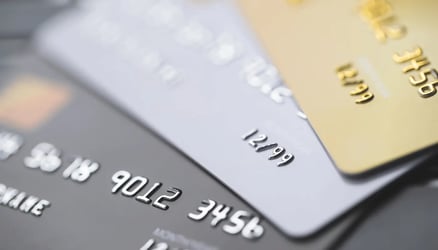
To effectively accept these payments, you’ll need a credit and debit card processor. This provider acts as the bridge between your grocery store’s bank account and your customers’ account, facilitating the transfer of funds when your shoppers make a purchase.
When evaluating card processors, here are a few key requirements to keep in mind:
- Low transaction fees
- Fast, secure payments
- Integration with an all-in-one POS system
We’ll give a more detailed explanation of how to choose the right credit card processing provider later in this guide, so stay tuned.
Contactless Payment Processing
Check Processing
Cash Payment Processing

EBT Payment Processing
How To Find the Right Payment Processing Solution for Your Grocery Store
Now that we’ve gone over what grocery store payment processing is and the different types of payments you should be ready to accept, let’s walk through the steps to finding the right payment processing solution for your small business.
Integrated Payment Processing Through Your POS System vs. Non-Integrated Payment Processing
Your first major decision to make is whether to acquire payment processing through your POS provider or to find a third-party payment processing service.
Each option has its advantages and disadvantages, so make sure to think carefully about your business’ unique needs.
To help you approach this choice, we’ll take a closer look at integrated payment processing and explore why you might choose this solution for your grocery store.

Integrated Payment Processing: The Pros and Cons
If you go with this option, you’ll find a sole provider for your POS software, hardware, and payment processing service. We recommend integrated payment processing for a few key reasons:
- An all-in-one POS system with integrated payment processing is easy and convenient. You only need to deal with one provider for all your needs.
- If you choose an all-in-one provider,you’ll likely be able to get the best rate on your payment processing fees.
- Payments through an all-in-one system are often more secure. Instead of your cashier having to manually enter your shoppers’ totals into the PIN pad, your POS system will automatically charge your customers’ cards the correct amount.
- An all-in-one POS system with integrated payment processing speeds up the checkout process by eliminating time-consuming manual processes, allowing you to serve more customers in less time.
The main disadvantage of this option is that you have less flexibility to switch providers in the future. Since your POS system and payment processing are all rolled into one convenient service, it won’t be as easy to find a new POS or payment processing provider.
Choosing the Right POS System With Integrated Payment Processing
Since our recommendation is to choose an all-in-one POS solution with integrated payment processing, let’s take a closer look at grocery store POS systems.
Along with reliable integrated payment processing that makes it easy to accept EBT and contactless payment, these are the key features to shop for as you search for the right grocery point of sale solution:
- Robust Inventory Management: This feature shows you a real-time overview of your stock levels and protects your bottom line by preventing stockouts and reducing waste.
- Scale Integration: This feature streamlines your butcher and deli department operations and makes it easy to sell items by weight.
- Customer Loyalty: A built-in loyalty program is an effective way to grow your customer base and increase your sales.
- Self-Checkout Flexibility: As your grocery store expands, you might want to use self-checkout machines to supplement your traditional cashier lanes.
Choosing a POS system designed specifically for grocers will ensure that you have access to all the features you need to keep your store well-stocked, attract new customers, and make more sales.
How To Evaluate Payment Processors for Your Grocery Store
Whether you decide to go with an integrated POS and payment processing solution or you think a third-party provider would better suit your needs, you still need to know how to evaluate your options and ensure you’re getting the best service for your grocery store.
In this section, we’ll explain the key considerations to keep in mind as you search for and evaluate potential grocery store payment processing solutions.
Cost
Perhaps the most important factor in your grocery store payment processing decision is the cost.
You’ll want to pay close attention to each provider’s quoted transaction fee and calculate how much you can expect to pay for payment processing based on your historical sales data.
Along with transaction fees, you should also be prepared to ask about the following costs:
- Setup and Account Fees: Some payment processors charge a one-time fee to get your merchant account set up and ready to start accepting payments.
- Chargeback Fees: In the unlikely event that one of your customers issues a chargeback through their bank, you’ll have to pay a penalty fee to your payment processing provider.
- Cash Reserve Requirements: Your payment processor might require you to maintain a cash reserve in case of chargebacks or other issues.
- Volume Caps: Your payment processing provider might have a limit on the number or value of transactions they will process within a certain period of time.
- Early Termination Fees: Depending on the length and terms of your contract, you may be required to pay a hefty fee if you decide to terminate your relationship with your payment processing provider.
To get the best deal on your grocery store payment processing, ask for quotes from multiple providers, and make sure to ask about these fees to get the fullest picture of how much your payment processing will cost.
Security
Security should be a top priority as you shop for the right payment processing provider for your grocery store.
Since your payment processor will store and handle your customers’ sensitive financial information and your small business’ funds, your provider should be committed to protecting you and your shoppers.

Here are some green flags to look for as you search for a secure payment processor:
- Data encryption ensures that all sensitive data like your customers’ credit card numbers and personal data are converted into secure code before being transmitted.
- Secure login protocols ensure that only authorized individuals have access to your payment processing tools and information.
- PCI compliance is a must-have for all payment processors. Choosing a PCI-compliant payment processor ensures that your provider will use all best practices for handling your customers’ financial information.
- Automatic software updates allow you to stay up to date with the latest security protocols effortlessly.
Being proactive about payment security by choosing a payment processor that adheres to all the relevant standards and best practices will prevent financial catastrophe and increase your customers’ trust in your business.
Support
Picture your grocery store’s peak hour. Your checkout lines are wrapped around the store, your customers are waiting with full carts, and your cashiers are working hard to provide fast, friendly service.
The worst thing that could happen is that your payment processing system goes down.
Luckily, choosing a solution with highly responsive and helpful support can help you prevent this grocery store disaster.
When evaluating potential payment processors, make sure to ask about what kind of support is included. Will someone be available to answer your call if your payment processing goes offline? Is support 24/7, or are there limited hours that you’ll be able to reach someone? Does your payment processor have in-house technical support professionals, or do they outsource?
Select a provider that has all the right answers to these questions.
Reviews
Reading customer reviews is a great way to evaluate a payment processor.
You’ll be able to see whether other business owners are satisfied — or disappointed — with a payment processor’s service.
Pay special attention to reviews from other grocery store owners to understand what it will be like to work with each provider.
Get the Best Grocery Store Payment Processing With IT Retail
Congratulations! You’re now a grocery store payment processing expert.
To help you put what you’ve learned into action, we’ve summarized our main points below:
- Payment processing is what allows your grocery store to make sales.
- Your grocery store should accept a wide variety of payment types, including cash, cards, contactless payments, EBT, and checks.
- Choosing an all-in-one POS system with integrated payment processing is your most convenient, secure, and affordable solution.
- When evaluating payment processors, pay attention to transaction fees, contract terms, security, support, and reviews.
If you’re looking for the very best of the best POS system with integrated payment processing for your grocery store, look no further than IT Retail.
With reliable payment processing, powerful inventory management, and a sales-boosting customer loyalty program, IT Retail has everything you need to become your neighborhood’s favorite grocery store.
Schedule your personalized demo of IT Retail today!
