Toast started as a restaurant system. See how the feature set translates to grocery — and where the gaps show up.
Lightspeed covers retail, restaurants, and golf. Find out how it holds up when your store sells by the pound.

Clover is everywhere. But it wasn't designed for EBT, scales, or wholesalers. Here's what that means for your store.
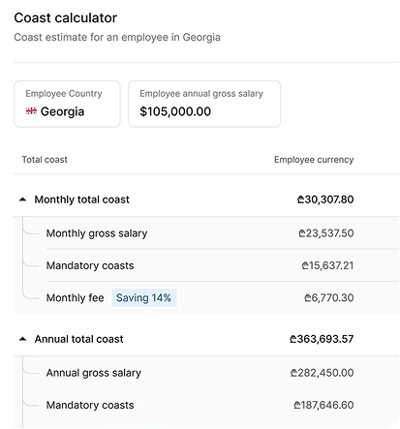
We’ve constructed a calculator to show how much your grocery store can save by implementing a POS system.
Pssst, our POS systems have saved stores running electronic cash registers thousands of dollars.
A general-purpose POS handles the basics well — ring up sales, accept cards, run basic reports. For a coffee shop or boutique, that's usually enough.
Grocery is different. You're selling items by weight, accepting EBT, managing hundreds of perishable SKUs with expiration dates, and working with wholesalers who update their pricing every week. A general-purpose system doesn't handle any of that natively. Scale integration, EBT processing, PLU code support, and wholesaler syncing all require workarounds or add-ons that cost extra and tend to break down in practice.
The short version: a general POS lets you ring up groceries. A grocery POS lets you run a grocery store.
Start with the non-negotiables: EBT and SNAP acceptance, scale integration, PLU code support, and label printing. If a system can't handle all four natively, without third-party add-ons, it's not built for grocery.
From there, look at vendor and wholesaler integration (re-entering distributor invoices by hand costs hours every week), inventory depth (can it track expiration dates and spoilage, or just units?), multi-location support if you're planning to expand, and what onboarding and support actually look like after you go live.
Don't compare on features alone. Compare how a system handles the workflows that happen in your store every single day.
It depends on how many lanes you're running, whether you need hardware included, and which plan fits your store.
Software-only plans start at $49 per month. Bundled hardware and software plans start at $99 per month and include terminals, scanners, and a 2-year hardware warranty. Larger setups with multiple lanes, self-checkout, and deli scales will run higher.
The more useful cost question is the total cost of ownership. A cheaper general POS with EBT workarounds, separate scale software, and manual vendor reconciliation often costs more in labor and errors than a grocery-specific system that handles everything in one place.
Realistically, three to six weeks from contract to going live. The timeline depends mostly on how clean your existing item data is and how many departments you're migrating.
The setup steps are straightforward: import your item file, configure departments and tax settings, set up hardware, and train your staff. Most of that happens before you flip the switch.
The part people underestimate is training. A system your cashiers can't use confidently during a Saturday morning rush is a problem, no matter how good the back-end features are. Look for a vendor that includes real onboarding support, not just a PDF and a help center link.