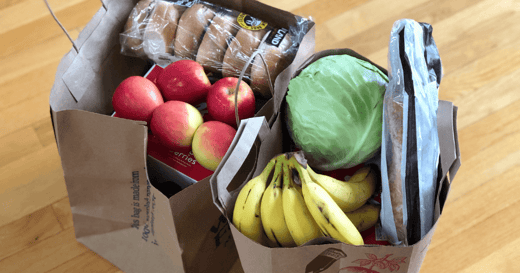





Want to compete with big-box supermarkets and become your customers’ favorite neighborhood grocery store?
You have to be a one-stop shop.
Today’s customers expect your product selection to go above and beyond standard grocery fare. Along with refrigerator and pantry staples, they’re looking for miscellaneous items — from a bottle of ibuprofen to a replacement phone charger.
In this blog, we’ll explore how (and why) you should meet customers’ needs for convenience items, plus seven specific product categories to add to your shelves.
Let’s get started!
What Is a Convenience Product?
Convenience products are exactly what they sound like: items that make your customers’ lives easier.
Here are a few defining characteristics of convenience products:
- They’re relatively inexpensive: Most convenience items only cost a few dollars, meaning that customers don’t have to check their budgets before adding them to their shopping cart.
- They’re purchased impulsively: Convenience items usually aren’t on customers’ shopping lists — they’re purchased impulsively instead. Think of them as “I need it now” items.
- They solve an immediate problem: Convenience items often solve customers’ minor problems, whether it’s a headache that needs Tylenol or a growling stomach that needs a quick snack.
Carrying convenience items doesn’t just benefit your customers — it benefits your grocery store’s bottom line, too. Here’s how:
- Boost your average basket size: Average basket size is an important key performance indicator (KPI) for grocery store success. The more items a customer purchases during their shopping trip, the better.
- Enjoy healthy profit margins: Convenience items often have better margins than staples and necessities. Selling more of them can help you achieve higher overall profit margins.
- Increase customer satisfaction: Carrying convenience items shows shoppers that your independent grocery store can meet their needs just as well as the Walmart or Target down the street, helping you maintain high customer satisfaction and stay competitive.
In short, adding convenience items to your grocery store’s product selection is a win-win for you and your customers. Now, let’s dive into the specific items to add to your shelves.

1. Over-the-Counter Medications
When customers feel a headache or cold coming on, they appreciate a grocery store with a well-stocked pharmacy. Curate a selection of the most popular over-the-counter (OTC) medications, first aid supplies, and other health and wellness essentials.
What to stock:
- Pain relievers
- Nausea and heartburn medications
- Allergy, cold, and flu medications
- Bandages, antibiotic ointment, and hydrogen peroxide
- Feminine care products
How to display them:
Set aside a dedicated aisle for your health and wellness items, and use overhead and aisle signage to help customers find exactly what they’re looking for. Organize products by category to make it easier to spot allergy relief, feminine care, or first aid.
2. Cosmetics
It might surprise you that cosmetics are one of the most profitable categories in a grocery store. When customers are out of deodorant or looking for a quick aesthetic pick-me-up, they’re willing to pay premium prices for the convenience of easy access to these must-haves.
What to stock:
- Beauty essentials like mascara, lip balm, and blush
- Nail clippers, files, and polish remover
- Cotton pads, balls, and buds
- Body wash, lotion, and basic skincare
- Shampoo, conditioner, hair ties, and combs/brushes
How to display them:
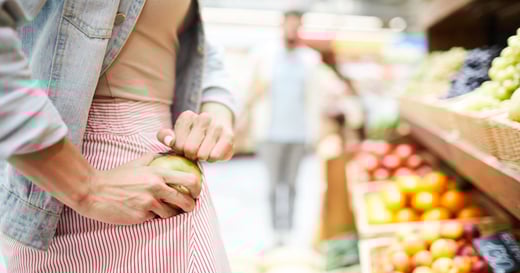
Cosmetics are one of the most commonly shoplifted items, so design your department layout with this in mind. Consider adding anti-theft tags to frequently stolen products, investing in extra security cameras, or organizing your layout so that cosmetic displays are visible from your checkout counter.
Related Read: Grocery Store Theft Prevention: 5 Industry Tips
3. Grab-and-Go Snacks
When you’re hungry and waiting in line to check out, the candy and salty snacks on nearby displays seem impossible to resist. These single-serve snacks are some of the most frequently purchased convenience items because they’re small, affordable, and meet customers’ immediate need for a treat.
What to stock:
- Chocolatey, fruity, and nutty candies
- Gum, hard candy, and mints
- Protein and granola bars
- Precut fruit cups
- Bags of chips, crackers, pretzels, and trail mix
- Single cake slices, cookies, or muffins from your bakery
How to display them:
These single-serve snacks perform best near your checkout counter. Create displays on either side of your checkout line, with candies and gum at eye level beside your checkout line and heartier, more savory snacks on the opposite side.
For convenience products in your bakery or produce department, consider island displays. These displays float in the middle of your aisles, taking up free space and ensuring that customers walk past these impulse items.
4. Cold Drinks
Salty chips, indulgent candy, and fizzy soda go together perfectly — so make sure your single-serving snacks are accompanied by a well-rounded selection of cold drinks.
What to stock:
- Regular and diet sodas of all varieties
- Still, sparkling, and flavored waters
- Bottled iced coffee and cold brew
- Kid-friendly juices
- Sports drinks
- Energy drinks
How to display them:
Your grab-and-go beverage displays should keep drinks ice-cold, be highly visible, and make it easy for customers to pick out their favorites. Open, air curtain-style coolers allow for easier reaching and stocking, but they’re more expensive to keep cool.
Related Read: Grocery Store Utility Costs: 8 Ways To Reduce Expenses
5. Ready-To-Eat Foods
After a long grocery shopping trip, the last thing your customers want to do is go home and cook. That’s why ready-to-eat foods are such a popular (and profitable) choice.
What to stock:
- Family-style, precooked proteins like rotisserie chickens
- Made-to-order or premade entrees like wraps, sandwiches, and salads
- Classic deli sides like macaroni and cheese, mashed potatoes, and vegetables
- Breakfast items like yogurt parfaits, hard-boiled eggs, and fruit cups
How to display them:
When it comes to selling deli-fresh, ready-to-eat foods, scent is powerful. Display hot foods like rotisserie chickens and sides near the entrance of your grocery store to draw customers in. Allow shoppers to order custom sandwiches or deli portions, but make sure your displays have a selection of grab-and-go options for convenience.
6. Household Essentials
When customers unexpectedly run out of toilet paper or laundry detergent, your grocery store can prevent disaster. A small but thoughtful selection of household must-haves can help your business compete with big-box retailers, showing customers that you can meet all their needs.
What to stock:
- Paper towels, toilet paper, tissues, and napkins
- Hand soap, dish soap, and dish detergent
- Detergent pods, dryer sheets, and stain remover
- Disinfectant spray and wipes
- Paper plates, food storage bags, and disposable food containers
- Trash bags
How to display them:
Create a clearly marked household section that’s organized by product category. Display your most popular products at eye level, and make sure to place heavier items like laundry detergent on lower shelving to prevent injuries and spills.
7. Miscellaneous Items
Some convenience products don’t fit neatly into a specific category, but carrying them is still worth the shelf space. When customers approach you or your team members to ask about an item you don’t carry, take note! If enough shoppers ask, consider adding it to your regular selection.
What to stock:
- USB-C, Lightning, and micro-USB chargers
- Greeting cards and stationery
- Seasonal items like umbrellas for spring showers and sunglasses for summer days
- Reusable shopping bags
How to display them:
These items are primarily impulse purchases, so customers won’t necessarily be looking for them. That’s why it’s important to display them in high-traffic, high-visibility areas of your store like the entrance, exit, or checkout counter.
How IT Retail Helps You Curate the Perfect Convenience Product Selection
This list should help you get started with stocking convenience items — but designing your grocery store’s product selection is an ongoing process.
A point of sale (POS) system like IT Retail includes powerful reporting and analytics features to help you learn more about your customers’ shopping habits and tailor your offerings to their unique wants and needs. Plus, our software’s built-in inventory management tools helps you keep their go-to items in stock.
Learn more about how IT Retail can help you become your neighborhood’s favorite grocery store by scheduling your personalized demo today.

 by Luke Henry
![How Does the Supermarket Supply Chain Work? [+How Your Store Can Adapt]](https://www.itretail.com/hs-fs/hubfs/Blog%20Featured%20Images/IT%20Retail%20Blog/How%20Does%20the%20Supermarket%20Supply%20Chain%20Work%20-%20BLOG.webp?width=520&height=294&name=How%20Does%20the%20Supermarket%20Supply%20Chain%20Work%20-%20BLOG.webp)