






$540 billion.
That’s the projected economic cost of food waste in 2026 — up from $526 billion the year prior.
For grocery retailers, food waste is one of the stealthiest profit drainers, with 61% of businesses reporting that they currently lack full visibility into where food waste occurs across operations.
So, what happens to perishable groceries that don’t sell? Discounts can only move so much product, and tossing items guarantees a loss.
There’s another option — one that can support your business, protect your margins, and benefit your community when done correctly.
This article explains why donating perishable groceries makes sense and how grocery stores can do it safely, with practical, actionable tips tailored to operations nationwide.
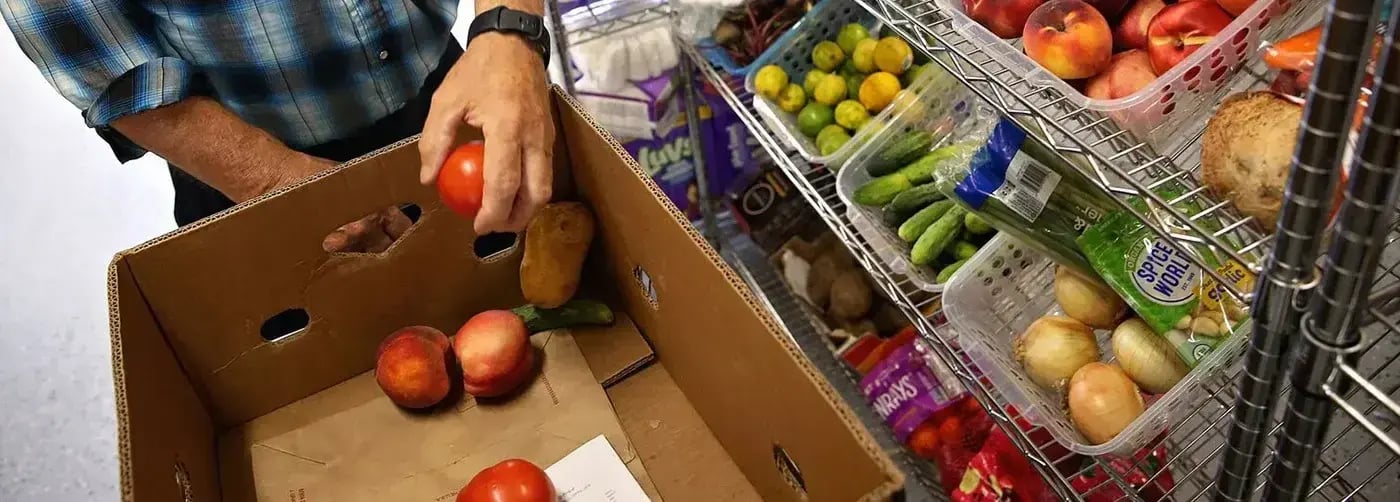
(Image source: Salvation Army)
Why Should Your Store Donate Perishable Groceries in 2026?
Food waste affects every step of the retail supply chain, from post-farm to point of sale, and costs businesses roughly 33% of their food-related revenue annually.
But notably, most unsold food isn’t actually spoiled. It may simply have minor imperfections, be approaching its sell-by date, or result from ordering more stock than customer demand actually required.
Related Read: Turn Short-Dated Inventory Into Sales: 5 Grocery Store Tips
While many grocery retailers already play a major role in hunger relief, a majority of donations tend to be nonperishable or shelf-stable items since they’re easier to store, transport, and distribute.
So, where exactly do perishable goods come into play? Items like fresh produce, dairy, meat, bakery, and deli products remain highly valuable for donations, but require careful handling in order to reach folks safely and retain their quality.
Donating these items benefits your store and your community in several ways:
- Reduces waste costs: Moving perishable items out before they spoil prevents unnecessary loss and helps control shrinkage.
- Protects shelf quality and pricing: Clearing near-expiration items makes room for fresher stock and can improve overall sales.
- Supports local families: Nutritious perishables provide meals to people who need them most.
- Receives tax benefits: Businesses can claim deductions for donated food under federal law.
- Strengthens community reputation: Active participation in local hunger relief builds goodwill with customers.
You may already have some items in mind to donate, and the next step is to get them to the people who need them — safely, efficiently, and in compliance with regulations.
Regulations for Perishable Donations
The USDA provides detailed guidelines for donating perishable groceries. Stores must transport items in refrigerated trucks, insulated coolers, or blankets, and deliver them promptly to prevent spoilage.
Stores should also consult local health departments for region-specific guidance on safely handling and distributing perishables.

(Image source: Greater Pittsburgh Community Food Bank)
At the federal level, the Bill Emerson Good Samaritan Food Donation Act protects donors from liability when giving food to qualified nonprofits. In 2023, amendments expanded protections to “qualified direct donors” who provide food at no cost directly to individuals in need, including grocery retailers, wholesalers, and caterers.
For businesses looking for more detailed guidance, the USDA website offers resources and answers to common questions about food donation laws, including compliance tips and safety standards.
Following these rules ensures that perishable donations are both safe and legal, helping your store support your community while reducing waste.

How To Make Perishable Donations Part of Your Store’s Routine
After taking time to understand the safety and legal guidelines for donating perishable groceries, the next step is actually handling the logistics. Clear, repeatable processes help your team act on opportunities before products reach the trash.
One of the most effective ways to begin is by building donation workflows into your daily routines. While staff may need a few reminders at first, these new steps should fit naturally into existing tasks like date checks, inventory reviews, and shrink reporting.
Here’s how to put those steps into practice:
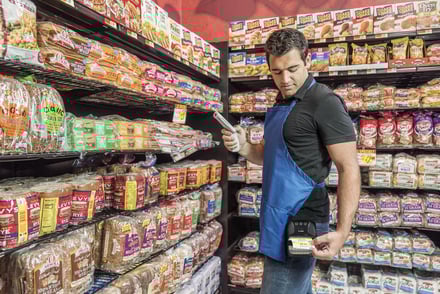
- Flag items early: Use your point of sale (POS) system to identify near-expiration, imperfect, or excess products so staff can act before spoilage.
- Create a holding area: Store approved donations in labeled, temperature-controlled spaces separate from unsellable waste, and monitor conditions to maintain food safety.
- Assign responsibility: Designate a manager or department lead to coordinate donations and oversee accurate documentation.
- Set a pickup schedule: Work with local food banks or shelters to plan consistent collection days that fit your store’s workflow.
- Document donations: Track product type, quantity, and value in your POS or inventory reports to monitor shrink costs and support tax deductions.
Integrating these donation workflows into your store’s existing inventory routines makes it easy to track, store, and move perishable items from receiving to their final destination.
Bonus Resource: Your Guide to Grocery Inventory Management: 4 Strategies, Tips, & Tools
POS and inventory systems are paramount here, supporting the entire process by helping you flag products approaching their sell-by dates, tracking marked items, and generating reports to monitor donations.
Tax Deduction Guidance for Perishable Grocery Donations
For any donations made within the fiscal year, businesses can typically deduct the cost of producing the donated food. In some cases, they may also deduct part of the difference between that cost and the item’s fair market value — but accurate records are essential to report these deductions correctly.
With an industry-specific POS system, you can track and document donations in the following ways:
- Record donations in your system: Assign a dedicated reason code for donated items to distinguish them from regular shrink.
- Track quantity and value: Log each product, its amount, and estimated value at the time of removal from inventory.
- Generate reports: Create reports based on your donation reason codes to maintain clear, organized documentation for tax purposes.
- Apply correct tax settings: Ensure donated items are accounted for properly, with no unintended sales tax applied.
Note that this guidance is general in nature — always consult a qualified tax professional or industry expert to confirm eligibility and reporting requirements for your specific situation.
Making Perishable Donations Work for Your Grocery Store
As a grocery store owner, you have access to a wide range of perishable groceries, and it doesn’t take a major lift to start supporting your community. But without the right systems in place, this process can quickly become confusing.
That’s why having the right systems matters. A grocery-specific POS system like IT Retail has the features you need to manage perishable donations, from flagging near-expiration or excess items to tracking quantity and value, generating reports, and recording donation details for your accounting or tax purposes.
With these inventory and reporting tools, you can fold donation workflows into your daily routines, helping your team move products safely, track results, and support your community.
Want to refine your inventory management skills even further? Check out our free guide on grocery inventory management to see how smarter tracking can protect your profits and reduce waste.
 by Luke Henry