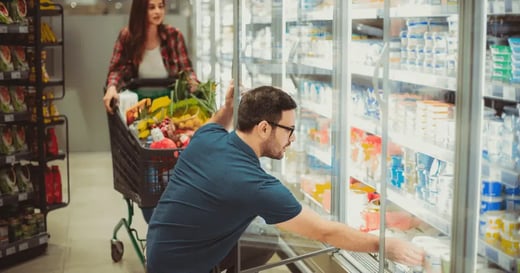





You just received a shipment of produce and stocked the department wall to wall — yet during your busiest hours, customers walk straight past it.
If you’ve stocked your shelves with high-quality products, why didn’t they sell?
Within seconds, shoppers decide whether or not your fruits and veggies look fresh and well-maintained, and markets that consistently increase their fresh produce sales know those first impressions are everything.
This article breaks down what those grocers do differently — and how your store can do the same.
5 Tips To Increase Fresh Produce Sales in 2026
Recent reports project that fresh produce sales will grow by around 2% in 2026, with volume remaining largely steady. Rising grocery costs mean shoppers are more selective, especially for perishables — they won’t buy produce simply because items are out on the shelf.
For most stores, that shifts the challenge from demand to execution.
Focusing on these fundamentals can help your store increase fresh produce sales, cut down on food waste, and make the most of every customer interaction.
1. Hand-Stack & Maintain Produce Displays
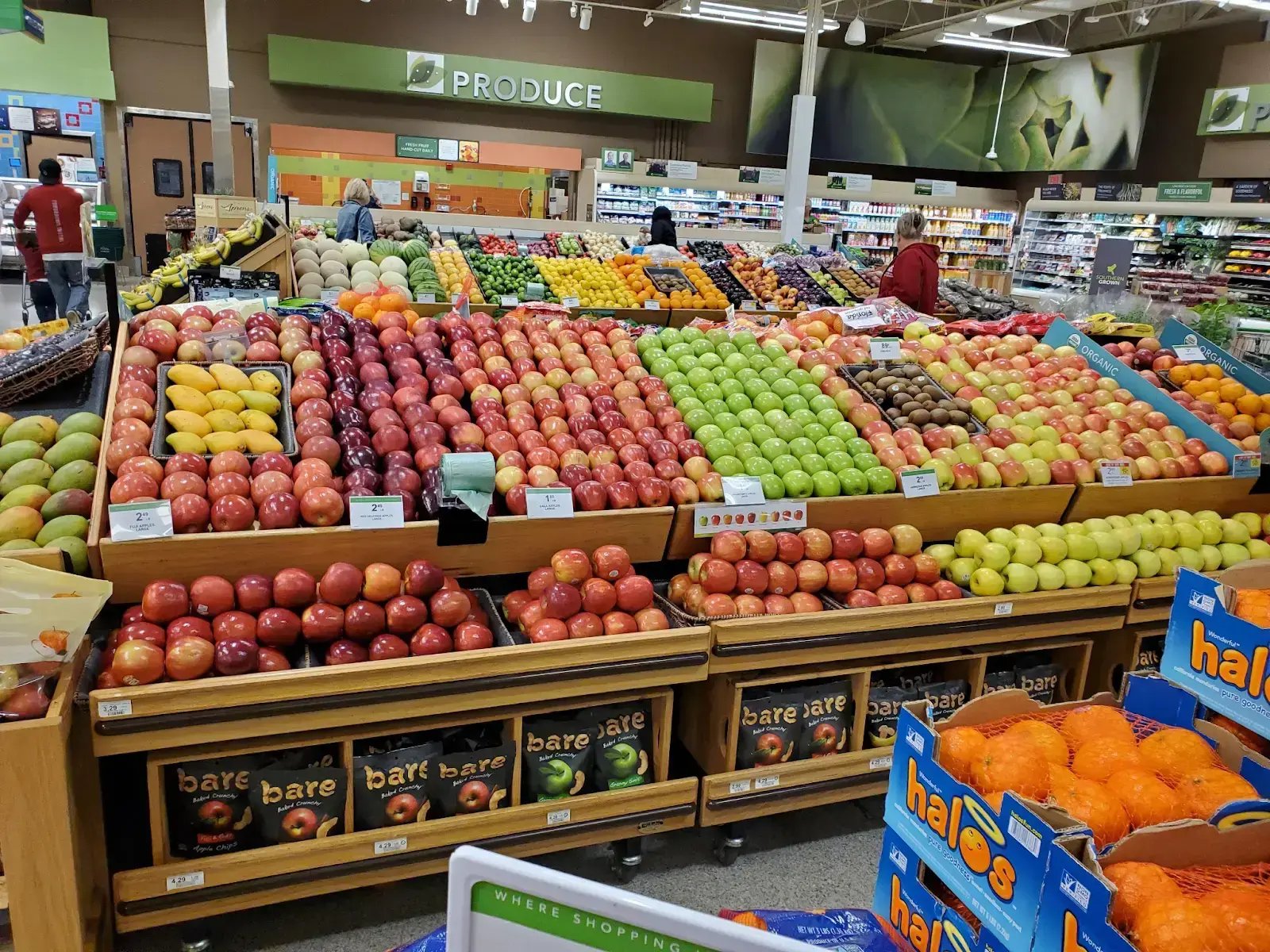
Which display would you grab from — strawberries stacked cleanly with bright fruit on top, or a half-empty bin where bruised berries sit front and center?
Most shoppers make that call without thinking, and they make it fast.
Hand-stacked displays, frequent culling, and routine daily touch-ups often determine whether a customer stops to browse or walks right past the produce department. Because produce continues to age the moment it arrives, items that looked fine during delivery can break down quickly once they’re under store lights, handled by shoppers, or exposed to temperature shifts.
One wilted head of lettuce or one damaged case of strawberries sends a clear signal across the display and tells shoppers what to expect from the rest of the department.
For an easy, department-wide standard, use the “Would I Buy It?” (WIBI) method. Any team member can apply it during routine walk-throughs — if they wouldn’t grab the item for their own cart, it doesn’t belong on the sales floor.
(Image source: Reddit)
With that principle in mind, here are additional strategies to make your produce displays more visually appealing:
- Keep displays visually full: Top off high-velocity items throughout the day so displays never look picked over, even during peak traffic.
- Cull continuously: Pull damaged or soon-to-spoil produce as soon as possible so it doesn’t drag down the entire display.
- Use height and layers thoughtfully: Stack produce at different levels or in small bins to create depth and make displays look abundant without cluttering.
- Leverage point of sale (POS) data: Prioritize shelf space and restocking frequency for items that sell quickly, rather than relying on routine habits or supplier recommendations.
Even with daily touch-ups, produce can start to degrade the moment it leaves the supplier.
Temperature shifts, handling during transport, and time in storage can soften or wilt delicate fruits and vegetables.
Checking items frequently lets staff remove or replace those that show early signs of decline, keeping displays fresh and shoppers confident. Attention to both delivery and daily handling preserves quality, reduces shrinkage, and keeps customers returning to the produce section.
2. Cull Damaged Items & Track Shrink
Culling, rotation, and quality checks may seem like basic tasks, but their impact goes beyond keeping produce sellable.
Many stores assume low shrink equals strong sales, yet these routines mainly protect revenue rather than drive new purchases. The true value comes from catching issues before these items actually reach the floor.
Related Read: How To Manage Perishable Inventory: 10 Key Tips and Tools
Short-dated shipments, inconsistent quality, or even late deliveries can result in batches that are past their prime on arrival. Catching these issues early prevents minor problems from turning into lost sales and stops a single bad batch from affecting the department's overall perception.
Here are additional strategies to keep shrinkage in check:
- Receive quickly: Log perishable shipments in your POS as soon as they arrive to maintain freshness and accurate weighted pricing.
- Rotate stock: Move older items forward and fresher items back to keep sell-by dates consistent.
- Track shrink by SKU: Use POS reports to spot problem products or suppliers and adjust orders before losses mount.
- Adjust pricing: Apply temporary discounts or dynamic price changes through your POS to move short-dated items efficiently.
- Plan for specialty items: Use POS data to guide orders and promotions for seasonal or international produce, minimizing overstock.
Practically, managing shrink works best when you schedule it into already-existing routines. Assign clear responsibilities for receiving, rotating, and inspecting produce, and schedule in brief, consistent checks throughout the day.
Your POS system can track spoilage by item or supplier and show week-to-week trends, helping you see which changes in ordering, handling, or pricing are actually reducing waste.

3. Use Data To Set Targeted Prices
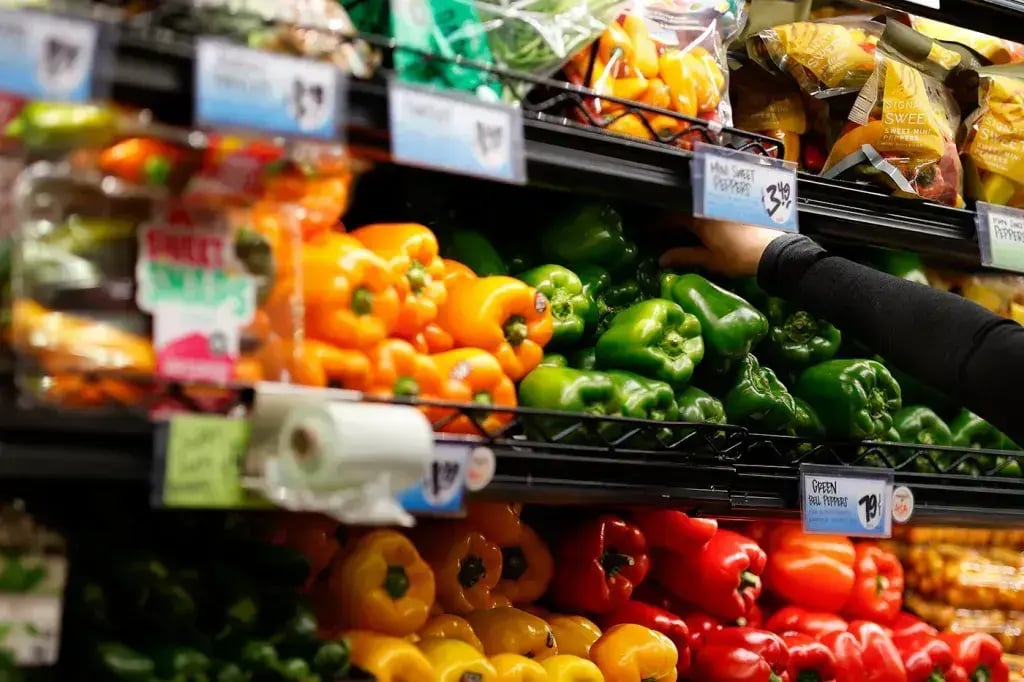
Even amid 2026’s price swings, shoppers anchor their sense of value on familiar, high-turn produce.
Staples like bananas, berries, or bagged salads set expectations — when these popular items feel reasonably priced, customers are more likely to explore other sections and try higher-margin or seasonal items.
(Image source: Northeastern Global News)
Start by identifying your store’s “hero SKUs” — the items that consistently drive foot traffic and repeat purchases. Use your POS system to track sell-through rates, attachment rates, and shrink by item so you can set prices that move inventory while still staying conscientious of margins.
Use these strategies to shape shopper perception and boost fresh produce sales:
- Rotate hero items: Choose up to 10 top-selling produce SKUs and schedule temporary discounts that change every few days.
- Manage short-dates: Apply progressive markdowns for short-dated items to move them before spoilage affects the display.
- Adjust weighted items: Use scanner-scale workflows to adjust prices by weight in real time, ensuring consistent margins.
Additionally, when setting prices, keep supplier variability in mind. Costs for small vendors, seasonal produce, or imported items can change week to week, and those shifts often affect what you can reasonably charge.
Paying attention to how different prices influence sales of hero items and the rest of the department can guide adjustments that protect both margins and inventory.
4. Group Complementary Items for Easy Pairings
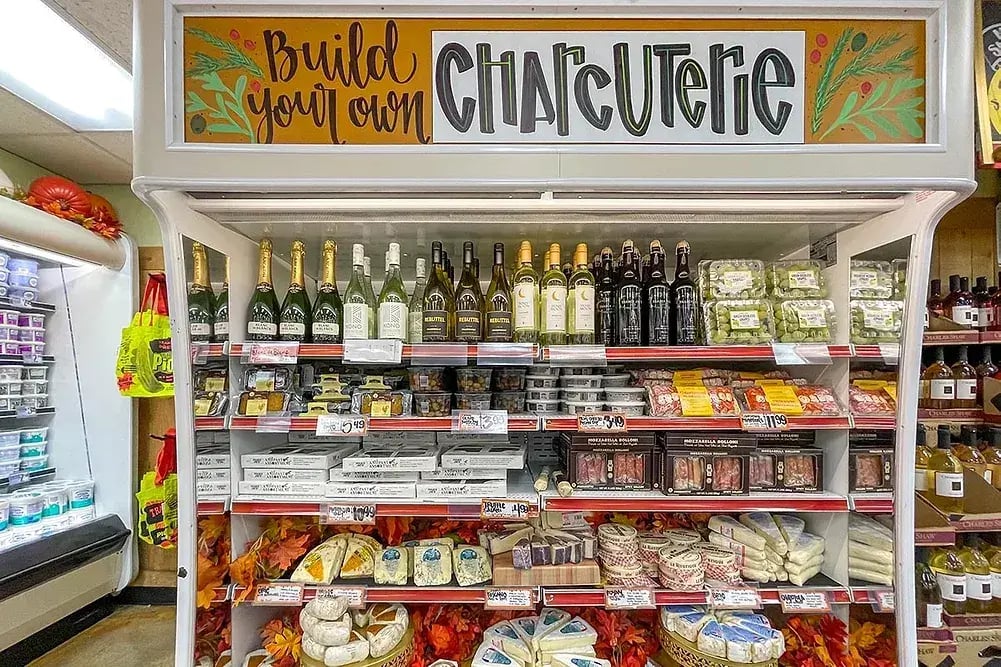
Everyone loves a good pairing — strawberries and whipped cream, avocados and cilantro, onions and garlic. Pairing produce with complementary items can increase overall basket sizes, but only when the combinations are easy to see and shop.
Related Read: 6 Creative Grocery Store Displays To Drive More Sales
Displays for bundle deals need to feel intuitive. Shoppers still expect to find their favorite staples in the usual spots, so keep those in place and let the pairing ideas live alongside them. The trick is to suggest relevant combinations without disrupting how people usually shop.
(Image source: Supermarket Perimeter)
Try these strategies to increase sales for produce bundles:
- Group items visually: Place complementary products together so shoppers can spot pairings at a glance.
- Highlight seasonal or recipe-driven bundles: Feature combinations tied to holidays, grilling, or quick meals.
- Use signage strategically: Add subtle labels or recipe ideas that suggest how items work together.
- Test and rotate pairings: Use POS data to see which combinations actually sell, then swap low-performing bundles for higher-potential pairings.
Regularly reviewing POS data shows you which pairings customers gravitate toward and how they behave after noticing them. Looking at attachment rates, sell-through speed, and week-over-week changes makes it clear which bundles actually change buying patterns versus which ones customers ignore after the first glance.
5. Market Produce Strategically & Track Results
Even the best displays and carefully managed inventory won’t sell if shoppers don’t notice or value the produce.
Fresh items spoil quickly, but too-deep discounts can signal low quality, so the best promotions for perishables need to find a balance — you need to encourage purchases without undermining the perception of freshness.
Timing, messaging, and placement all matter, both inside the store and in external marketing. Social posts, weekly ads, and email campaigns can spotlight seasonal or high-turn produce while in-store signage, sampling, and displays make the items irresistible once customers are in the aisle.
Here are some practical ways to connect traffic, marketing, and produce sales:
- Leverage loyalty programs for produce: Reward points or exclusive discounts for fresh produce purchases to encourage repeat visits and increase basket size.
- Time promotions thoughtfully: Rotate short-dated items into small, highlighted promotions rather than slashing all perishable items.
- Align in-store and online messaging: Coordinate weekly ads, email, and social content with in-store availability, so shoppers see consistent promotions across multiple touchpoints.
- Feature local and unique produce: Highlight locally grown or imported produce in advertising and in-store displays to differentiate offerings and attract shoppers seeking unique flavors.
Every store is different, so testing out different deals, displays, and campaigns can help you see what actually drives consistent traffic to the produce section.
Bonus Resource: How To Use Your POS Data To Run Effective Promotions
With a POS that includes integrated marketing and reporting tools, you can track how loyalty offers, campaigns, and signage impact sales — even at the department level.
Get the Right Tools To Increase Fresh Produce Sales
Fresh produce is among the toughest departments to manage, yet it can shape the store's overall performance. Every touchpoint in the department — from how you arrange items to how quickly staff responds to changes in quality or stock — affects both sales and waste.
A POS designed for grocery and produce, like IT Retail, makes these challenges more manageable. It tracks how individual items sell, shows which promotions capture the most attention, and highlights where displays or pricing need adjustment.
Schedule a demo today to see how IT Retail helps markets just like yours increase fresh produce sales and keep operations running smoothly.

![7 Best Supermarket POS Systems [+ Must-Have Features & Pricing]](https://www.itretail.com/hs-fs/hubfs/ITR%20BLOG%20REFRESH%20717%20X%20Best%20%20Supermarket%20POS%20Systems%20%5B+%20Must-Have%20Features%20%26%20Pricing%5D.png?width=520&height=294&name=ITR%20BLOG%20REFRESH%20717%20X%20Best%20%20Supermarket%20POS%20Systems%20%5B+%20Must-Have%20Features%20%26%20Pricing%5D.png)